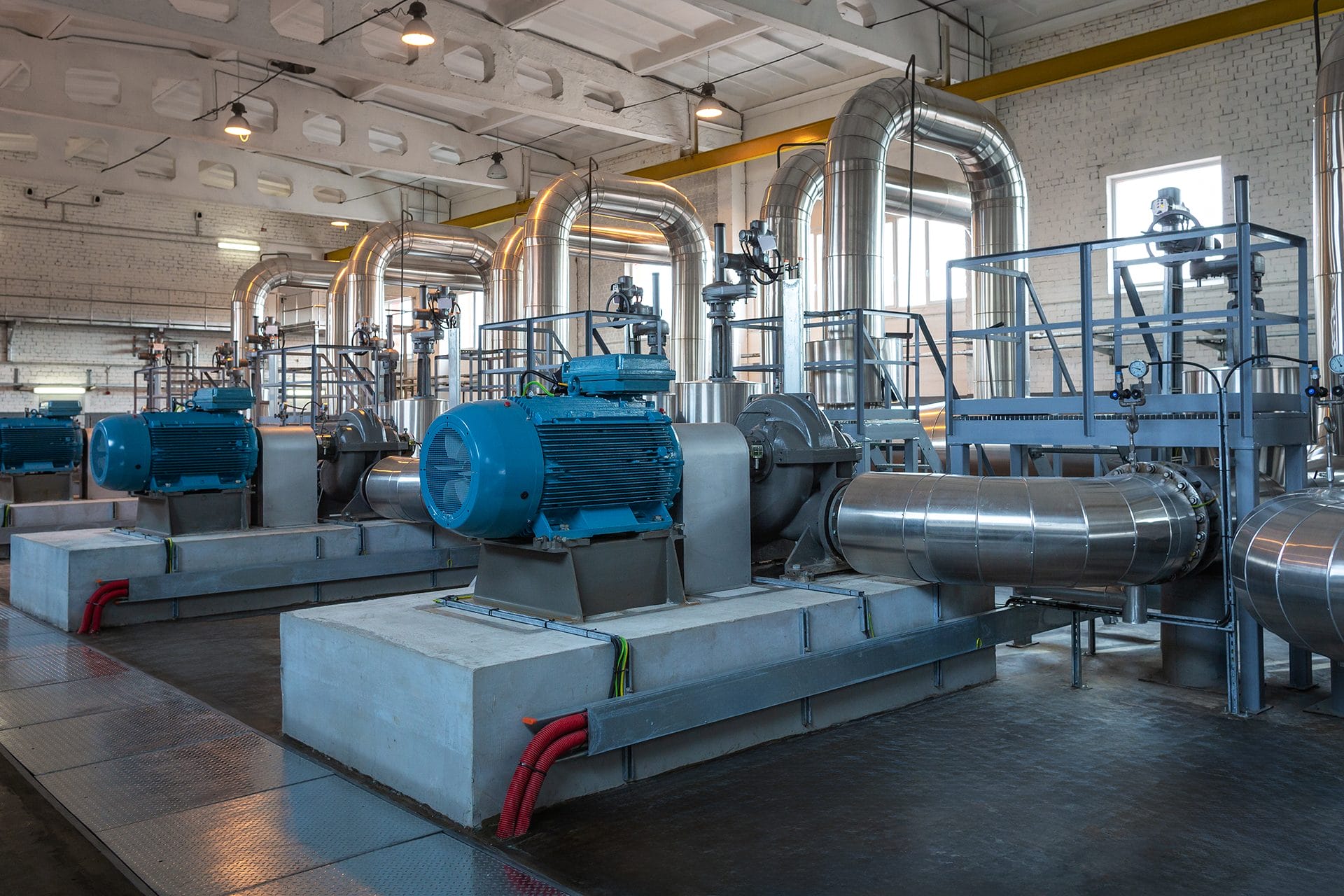
Solving traditional engineering issues is based on experience, sound design practices and proven methodologies. For new or more complex issues where typical design practices don’t exist, simulation tools like computational fluid dynamics (CFD) modeling use fundamental physics to tackle design challenges, helping validate assumptions and support more informed decisions.
By visualizing real-world operating conditions in a digital environment, teams can identify potential warning signs, such as hot spots, pressure drop miscalculations or flow imbalances during the design phase rather than during commissioning. In petrochemical engineering, this insight can significantly reduce risk and support meaningful engineering cost reduction.
Where CFD Analysis Can Help Identify Potential Issues Early & Support More Cost-Efficient Outcomes
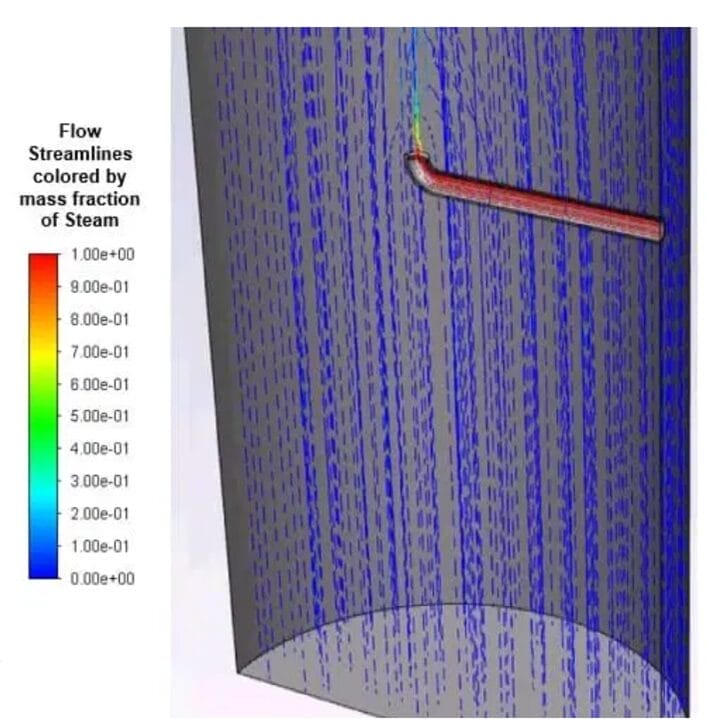
CFD can provide early visibility into potential design risks in petrochemical systems before fabrication or construction begins, including:
- Flow maldistribution in reactors or distributors
- Heat transfer miscalculations
- Pressure drop miscalculations
- Hot spots or flame impingement in combustion systems
- Mixing inefficiencies
By identifying these problems in simulation rather than in the field, engineers can help prevent costly retrofits and project delays.
CFD Modeling Applications Relevant to Petrochemical Facilities
Many types of equipment and process challenges benefit from CFD modeling. Common applications within petrochemical facilities include:
- Flow distribution in parallel piping systems and ductwork
- Thermal and stress analysis of temperature gradients downstream of a mixing tee
- Conjugate heat transfer calculations for heat exchanger design
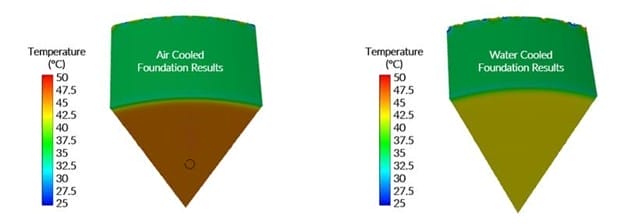
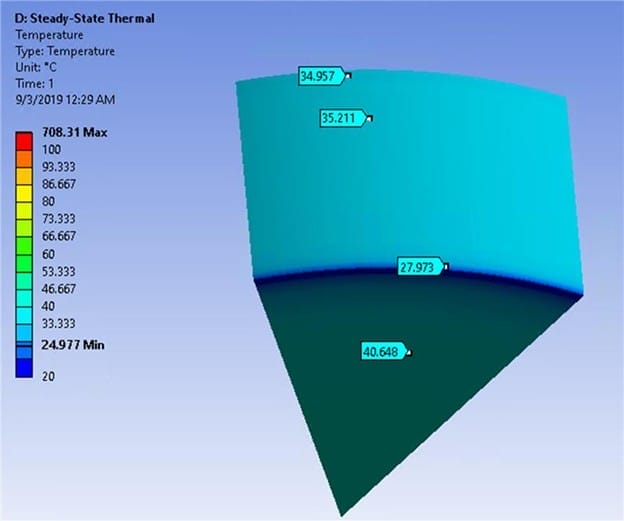
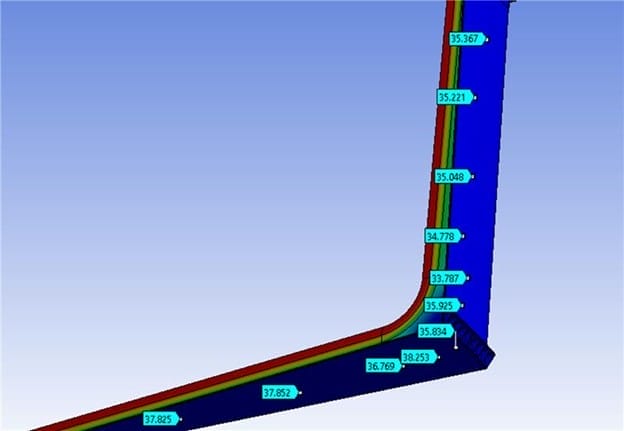
- Thermal analysis of refractory-lined vessels to evaluate temperature distribution and material stress
- Ejector nozzle flow simulations to confirm performance characteristics, such as pressure change and flow rate
- Burner and combustion air flow distribution modeling for improved furnace efficiency
- Injection quill and distributor analysis to verify mixing performance
- Reactor optimization and identification of flow bias or dead zones
CFD modeling is often paired with structural analysis tools, like finite element analysis (FEA), to assess how thermal and pressure loads affect equipment integrity. Together, these tools allow engineers to examine both process performance and mechanical reliability.
Firms that specialize in CFD services often don’t have the capability of broader engineering services, unlike JEPCO. At JEPCO, we can combine simulation results with full engineering services to implement the recommendations from the modeling.
Early-Stage CFD Modeling vs. Late-Stage Problem Solving
In early project stages, such as front-end engineering design and detailed design, changes to geometry, piping layout or equipment internals are relatively straightforward. After construction begins, those same changes may require equipment replacement, structural modifications or extended shutdowns.
Although computational fluid dynamics analysis can also be used for troubleshooting and root-cause investigations, its greatest impact occurs when integrated into the design process. When simulation results support engineering decisions from the onset, it becomes a proactive tool rather than a reactive one.
What to Look for in a CFD Modeling Partner
The effectiveness of computational fluid dynamics modeling depends heavily on how the analysis is integrated into the engineering process. When evaluating a CFD provider, several factors are worth considering, including:
- Integration with engineering teams
- Relevant industry experience
- Clear interpretation of results
- A deep understanding of petrochemical standards
By resolving uncertainties before construction begins, computational fluid dynamics analysis helps reduce rework, improve equipment performance and support meaningful engineering cost reduction across petrochemical projects.
FAQs
What is computational fluid dynamics modeling?
Computational fluid dynamics (CFD) modeling is a simulation method that analyzes in a digital environment how fluids and gases move within equipment and process systems in a digital environment. Using physics-based equations, CFD modeling predicts velocity, pressure, temperature and turbulence within complex geometries.
Why does computational fluid dynamics modeling matter in petrochemical projects?
This type of analysis is especially valuable in petrochemical facilities for new or more complex issues where typical design practices do not exist—processes often involving high temperatures, mixed phases, reactive chemicals, pressure-sensitive equipment and rigorous heat transfer calculations. Traditional hand calculations or simplified assumptions may not fully capture these behaviors, and CFD modeling allows engineers to study these interactions in a digital environment to reveal how real operating conditions will affect equipment performance.
What types of petrochemical equipment can benefit from CFD modeling?
Many types of equipment can benefit from computational fluid dynamics modeling, including:
- Piping systems and ductwork
- Mixing tees
- Reactors
- Furnaces
- Catalyst beds
- Burners
- Ejectors
- Injection systems
- Filters


