How Front-End Oil and Gas Engineering Expertise Will Make A Difference
As 2026 continues to unfold, the oil and gas industry is entering the year with a sense of confidence. After several years navigating uncertainty and rapid change, many owners and operators are approaching projects with clearer priorities and a more long-term perspective. The focus isn’t chasing growth for growth’s sake. It’s about making well-informed decisions that support reliability, efficiency and performance over time.
Across refining, midstream and industrial energy sectors, this mindset is shaping how capital investment or spending is allocated. Companies are investing in upgrades and optimizations to strengthen their existing assets rather than in sweeping expansions.
These efforts may seem small, but collectively, they reflect a practical approach to progress: one that positions 2026 as a solid year for well-planned project success within the oil and gas industry.
A More Intentional Approach to Project Planning
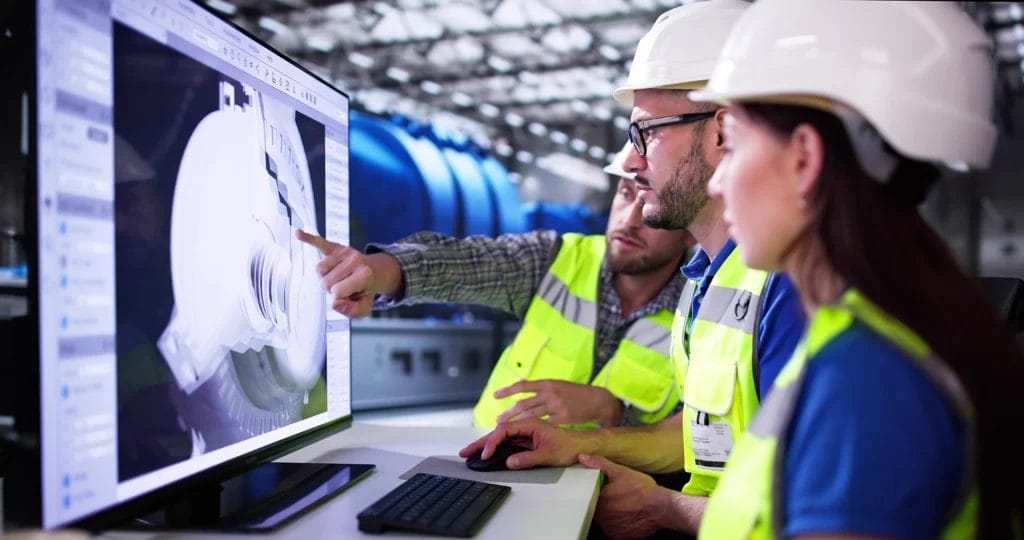
One of the most noticeable shifts as we continue into 2026 is how projects are being planned. Teams are dedicating more time to front-end oil and gas engineering and detailed design before moving forward. This added diligence helps identify risks earlier, align expectations across stakeholders and reduce the likelihood of costly change orders later in the project’s life cycle.
This approach is often driven by experience. Operators understand that unclear scope, incomplete design or rushed decision-making can lead to schedule delays and budget overruns. By slowing down at the beginning, teams often move more quickly and confidently once a project is underway.
Strong oil and gas engineering doesn’t just support individual projects—it supports long-term operations. Whether the goal is extending asset life, improving safety or preparing facilities for future modifications, thoughtful design decisions made early on can pay dividends in the long run. This renewed emphasis on engineering discipline reflects a broader industry recognition that good planning is often the most cost-effective investment a project can make.
“2026 looks promising because the industry is prioritizing work that makes their existing assets better, safer and more reliable.” – Jōb EPC Company President & CEO Steve Wendel
Automation and Controls Take a More Integrated Role
Automation and control systems remain a major area of focus as the oil and gas industry moves through 2026. Many facilities are upgrading control strategies, instrumentation and system integration to improve operational visibility and reduce reliance on manual processes. These changes can lead to safer working environments, more consistent performance and quicker responses to changing conditions.
What’s notable is how automation is being approached today. Rather than treating it as a standalone upgrade, companies are looking at how automation and controls fit into the bigger picture of facility design and operation. Successful projects consider how new systems interact with existing infrastructure, ensuring that they’re not only advanced but also reliable and aligned with operational needs.
This shift reflects a growing understanding that technology alone isn’t the solution. The real value comes from how well automation is engineered into a system, and how effectively it supports the people who operate and maintain it each day.
Optimism Rooted in Industry Fundamentals
The positive oil and gas industry outlook for 2026 is grounded in fundamentals rather than short-term market swings. Energy demand remains resilient, heavily driven by the rise of AI data centers and the fact that industry infrastructure continues to age. The need for dependable, efficient operations hasn’t gone away. Together, these factors are driving sustained investment in projects that improve performance, enhance safety and support long-term reliability.
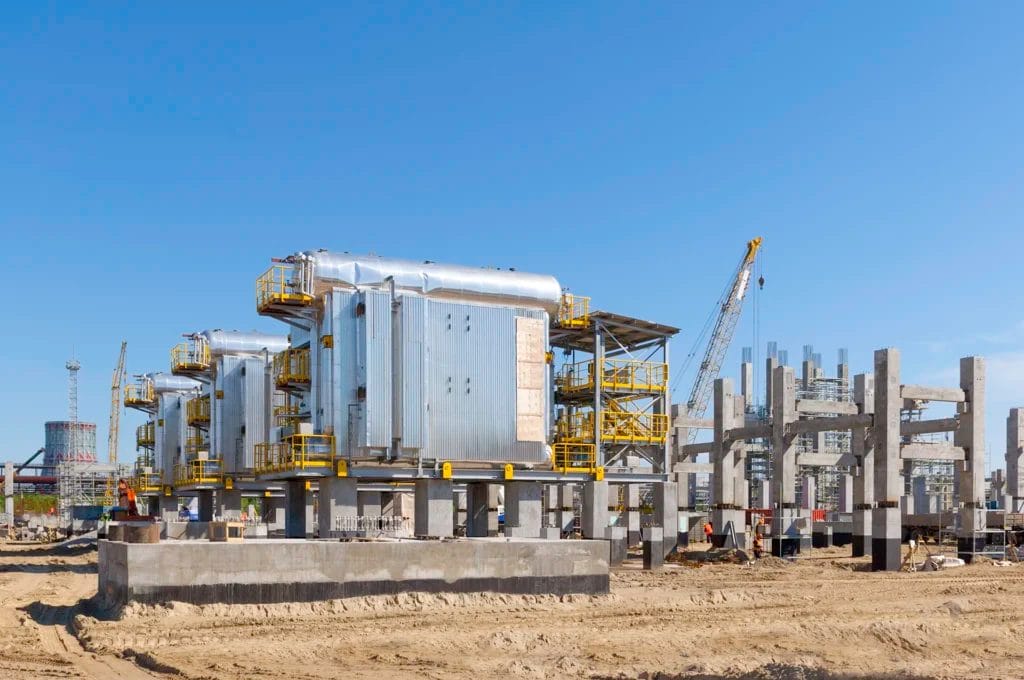
There’s also a greater emphasis on discipline in managing capital. Projects are being evaluated not just on initial cost but also on life cycle value and operational impact. This perspective favors solutions that are practical, well-engineered and designed to stand the test of time.
While challenges will always exist, from scheduling constraints to evolving regulatory requirements, the industry’s current focus on intentional planning and technical rigor suggests a more stable path forward.
Steady Progress & Meaningful Opportunity
As the year moves ahead, the energy industry outlook for 2026 is shaping up to be defined less by dramatic shifts and more by steady improvement. The projects gaining traction are those rooted in sound oil and gas engineering, realistic expectations and a clear understanding of operational priorities.
That approach may not always make headlines, but it creates real value. Facilities become safer and more reliable, teams gain confidence in their decisions and projects are better positioned to deliver results that last well beyond this year.
Throughout 2026, thoughtful planning and expert engineering will continue to set projects up for success. Staying grounded in fundamentals and bringing the right technical expertise into the conversation early can make all the difference as opportunities take shape.